Sandy Springs Or Roswell For Chattahoochee‑Side Living?
If you picture your next home near the Chattahoochee, you may be asking a very specific question: should you choose Sandy Springs or Roswell? It is a smart question, because both cities connect you to the same 48-mile Chattahoochee River National Recreation Area corridor, but they deliver that lifestyle in different ways. By the end of this guide, you will have a clearer sense of which city better fits your routine, housing goals, and budget. Let’s dive in.
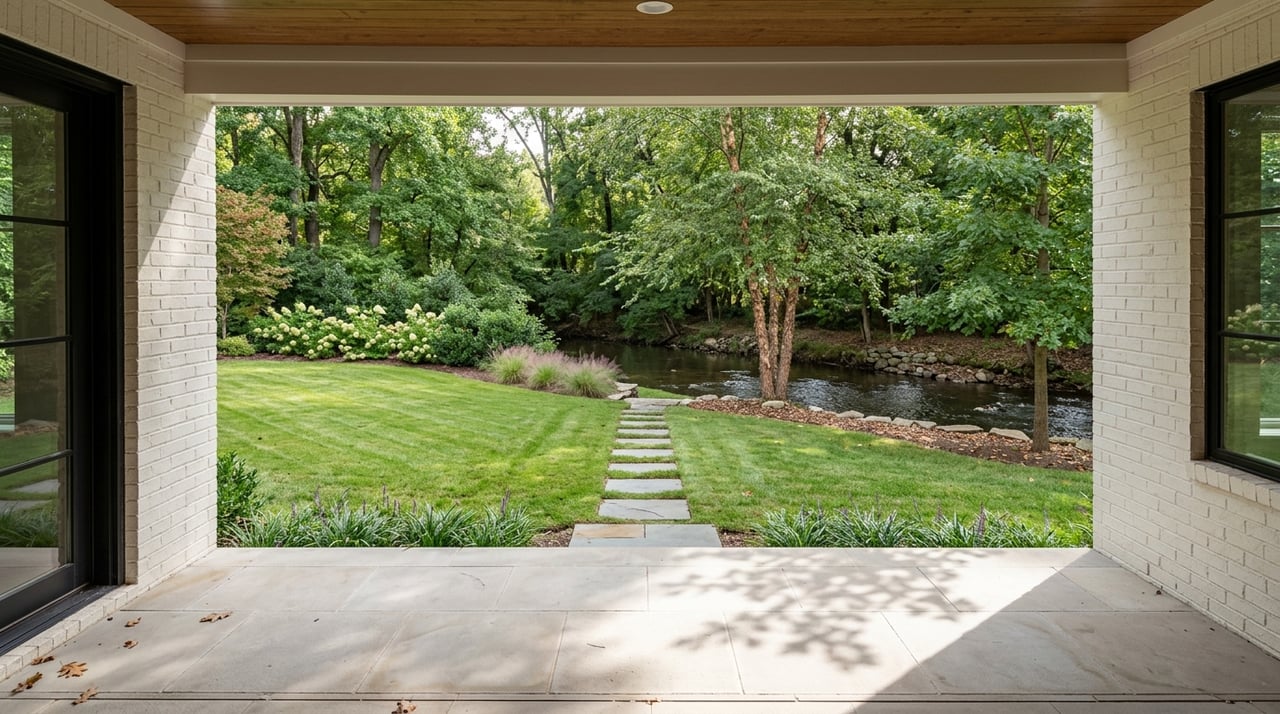
If river access is your top priority, both Sandy Springs and Roswell give you meaningful ways to enjoy the Chattahoochee. The difference is less about whether you can reach the river and more about how that access shows up in daily life.
Sandy Springs stands out for its direct connection to the river corridor. The Island Ford Visitor Center is located in Sandy Springs, and the city says it has more than 20 miles of shoreline along the Chattahoochee. For many buyers, that creates a strong sense of being closely tied to the river system.
Roswell offers a different but equally appealing setup. Instead of one marquee visitor center, you get a network of riverfront parks, launch points, and trails that support an active outdoor routine. That can feel especially practical if you want multiple options for paddling, walking, or spending time outside.
Sandy Springs includes some of the best-known river access points in this part of Fulton County. Island Ford is a major anchor, and the city also highlights the Springway Trails Morgan Falls Connector, a 1.88-mile trail segment linking Roswell Road to Morgan Falls Overlook Park.
That setup can work well if you want easy access to scenic trails and a river-oriented setting without leaving the city. For buyers who picture morning walks, weekend trail time, or regular time near the water, Sandy Springs makes a strong case.
Roswell brings a wider spread of river-focused destinations. The Chattahoochee Nature Center sits on 127 acres along the river and includes 2.5 miles of trails, including the ADA-accessible River Boardwalk Trail.
Roswell also lists several riverfront parks with canoe, kayak, and river-access amenities. These include Azalea Park, Don White Memorial Park, Garrard Landing Park, and Riverside Park. If you want several launch and park options rather than one central hub, Roswell may feel more flexible.
Your weekday routine may end up being the biggest deciding factor. If you need regular transit access, Sandy Springs and Roswell do not function the same way.
Sandy Springs has the more transit-oriented layout. I-285, GA-400, and Roswell Road pass through the city, and MARTA’s Red Line serves both Sandy Springs Station and North Springs Station. Sandy Springs Station also has 1,050 parking spaces, which can be a real advantage if you want a rail-based commute with parking built in.
Roswell is more road-oriented in practical terms. Residents are served by MARTA bus routes 85, 142, and 185, and the closest park-and-ride is the Mansell Road lot with 418 spaces. Roswell’s transportation planning also focuses on congestion, cut-through traffic, and safety through 2050, which reflects the city’s everyday mobility challenges and priorities.
Sandy Springs may be the better fit if you want MARTA rail to be part of your normal routine. That is especially true if you value direct access to stations, major highways, and mixed-use areas that can support a more connected daily pattern.
For relocation buyers, this can be a major quality-of-life point. If your work, airport access, or regional travel depends on transit and highway efficiency, Sandy Springs usually offers a more straightforward setup.
Roswell may make more sense if you are comfortable with a more car-dependent lifestyle but still want some transit support. The city’s bus-to-rail connections and park-and-ride options can still be useful, even if rail is not at your doorstep.
If your main goal is river access, parks, and a home environment that feels more detached-home oriented, Roswell’s mobility tradeoff may be well worth it. It often comes down to whether you prioritize rail convenience or residential feel.
For many buyers, the real choice comes down to the kind of home you want. Sandy Springs and Roswell have noticeably different housing mixes.
Sandy Springs offers a broader range of housing types. The city’s multifamily rental program says there are 96 apartment complexes, with two more under construction, and local housing work shows that multifamily is a meaningful part of the city’s supply.
That usually translates into more apartments, condos, and townhomes alongside detached homes. If you want flexibility in housing type, especially near transit or mixed-use areas, Sandy Springs gives you more ways to shop across price points and lifestyles.
Roswell is more heavily centered on single-family detached homes. A Georgia Department of Community Affairs planning document says the city’s housing stock is dominated by detached homes, with a more modest supply of multifamily and townhome developments.
That matters if you are specifically looking for a traditional detached-home setting. In parts of Roswell, you may also notice an older-home or historic-area feel, especially since the city’s Historic District Master Plan emphasizes preservation of historic character and resources.
Price is another major part of the decision. Based on reported May 2026 median sale prices, Sandy Springs is currently the higher-priced market overall.
Redfin reports a median sale price of $714,572 in Sandy Springs and $629,623 in Roswell. That puts Sandy Springs about $84,949 higher on a citywide median basis. These are broad market comparisons, not neighborhood-level comps, but they help frame the general difference.
The owner-occupied value data points in the same direction. Sandy Springs shows a median owner-occupied value of $619,800, while Roswell shows $567,100. That is a gap of about $52,700.
A higher citywide median does not automatically mean Sandy Springs is out of reach, and a lower median does not mean Roswell is the better fit in every case. It simply suggests that Sandy Springs tends to command a premium, especially when you factor in transit access and its broader mix of housing near key corridors.
Roswell may offer more opportunity if your goal is a detached home and you want to stay below Sandy Springs pricing trends. The right move depends on whether your priority is commute convenience, home style, river access pattern, or budget alignment.
When you compare Sandy Springs and Roswell for Chattahoochee-side living, the decision becomes clearer if you focus on your day-to-day priorities instead of trying to name a universal winner.
Choose Sandy Springs if you want:
Choose Roswell if you want:
Both Sandy Springs and Roswell offer real access to the Chattahoochee lifestyle, and both can be excellent choices depending on what matters most to you. Sandy Springs tends to work best for buyers who want rail access, mixed housing options, and a more connected commuter setup. Roswell often appeals to buyers who want detached homes, multiple river parks, and an outdoor lifestyle built around launches, trails, and green space.
If you are weighing Sandy Springs against Roswell, the most helpful next step is to compare specific home options, commute patterns, and access points that match your routine. For tailored guidance on North Metro Atlanta homes near the river, connect with Julia Sosa-Rocha.
Stay up to date on the latest real estate trends.
If you are looking for top, proven, passionate agents that you can trust, who will aggressively represent you and your best interests only, who will give you attention & who are passionate about making sure you have an exceptional, positive experience in buying or selling your home, please call us today & we will be glad to help!