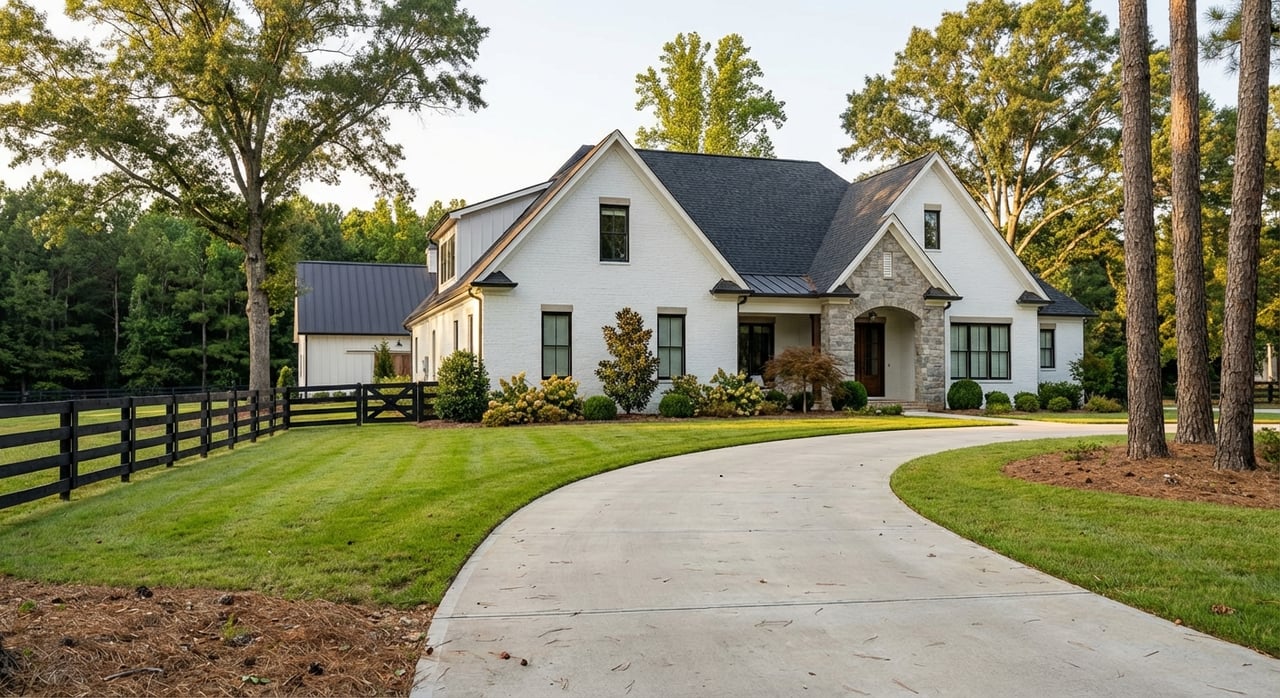
Living In Milton GA’s Estate Neighborhoods
Wake up to birdsong, a long private drive, and the sight of morning light on rolling pasture. That’s the everyday rhythm many people seek in Milton’s estate neighborhoods. You want space, privacy, and maybe room for horses, without giving up access to shopping, dining, and healthcare. In this guide, you’ll see what life actually feels like on a 1‑ to 10‑acre estate in Milton, how the equestrian culture shapes daily living, what you can expect to pay, and how to plan your search with confidence. Let’s dive in.
Milton protects a rural, equestrian character that you notice the moment you arrive. Horse farms and barns are woven throughout the city rather than tucked into one area. The city even highlights its active equestrian community and resources for horse owners on its official site, which speaks to how deeply this lifestyle is part of local identity. Learn more about the equestrian culture on Milton’s official Equestrian Community page.
At home, you get a country feel with mature trees, long setbacks, and wide skies. For daily needs, you can reach local shops and restaurants in Crabapple quickly, and drive about 10 to 25 minutes to major dining and retail in Alpharetta depending on where you live. That balance is the heart of Milton’s appeal: privacy at home paired with easy access when you want it.
Estate living in Milton is defined by space. Many planned estate pockets and gated enclaves start around 1 acre per lot. Equestrian and legacy properties often span 3 to 10 acres. Larger tracts do come to market, including parcels of 20 acres or more. Those bigger holdings are less frequent, but they help keep Milton’s open, pastoral feel intact.
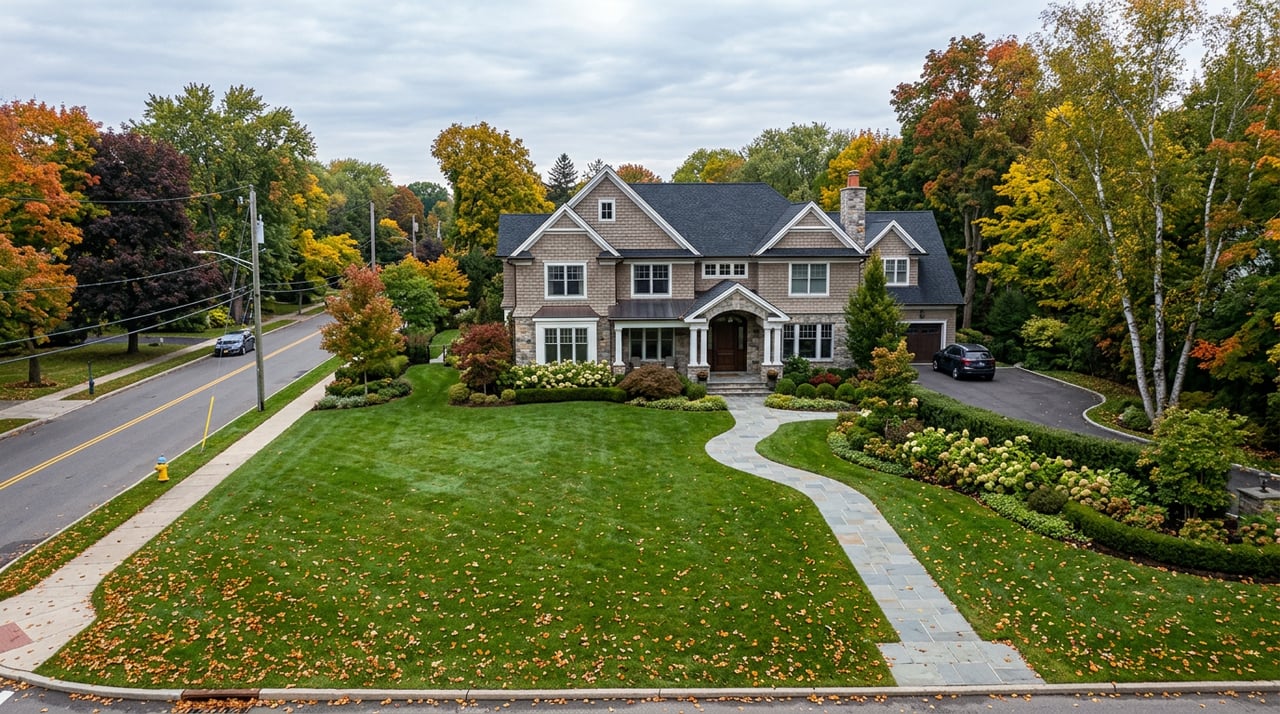
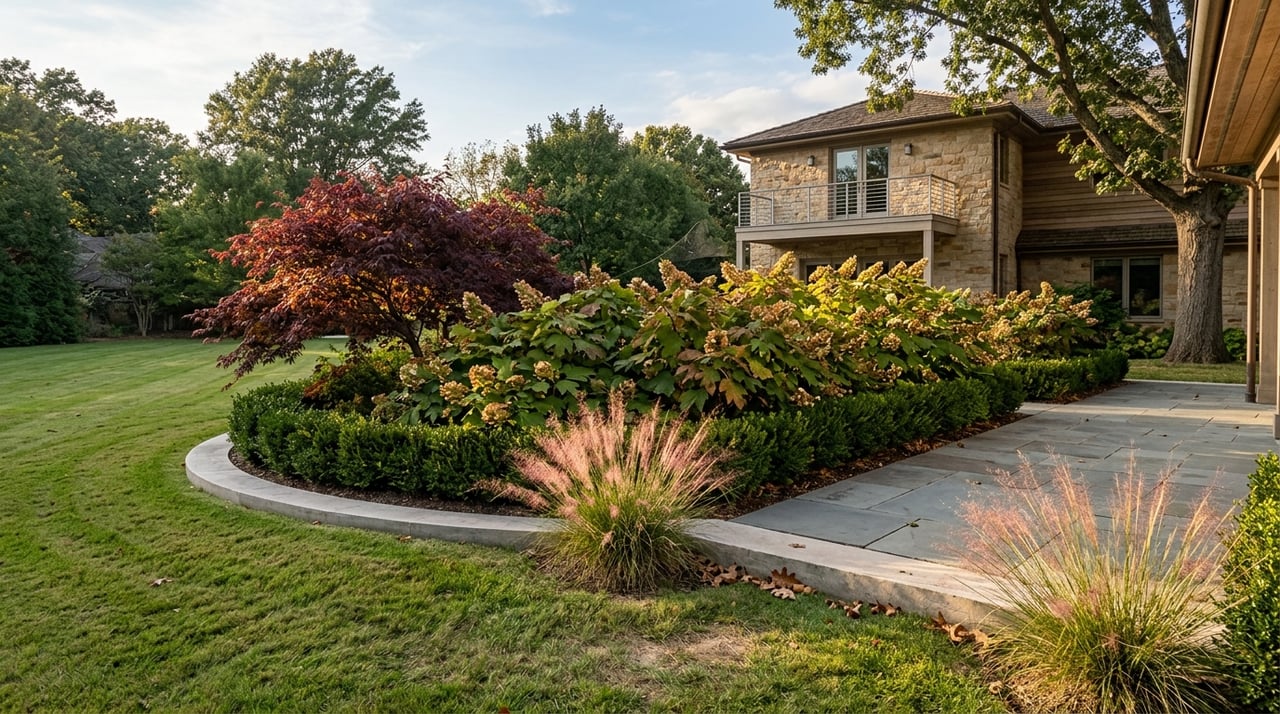
You’ll see visual cues that signal privacy and scale: long drives, tree buffers, fenced pastures, detached barns and workshops, and sometimes private ponds. These features not only look beautiful, they shape your day. You can walk the dogs on your own land, host friends without close-by neighbors, and unwind without city noise.
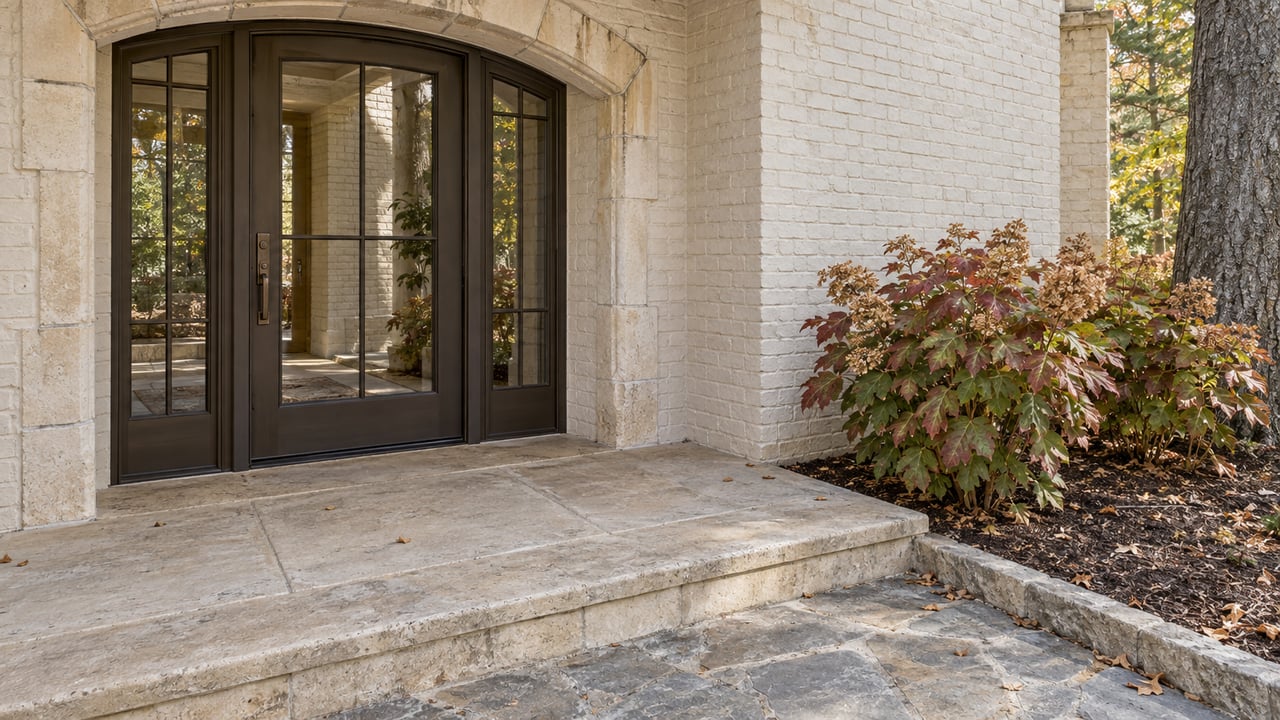
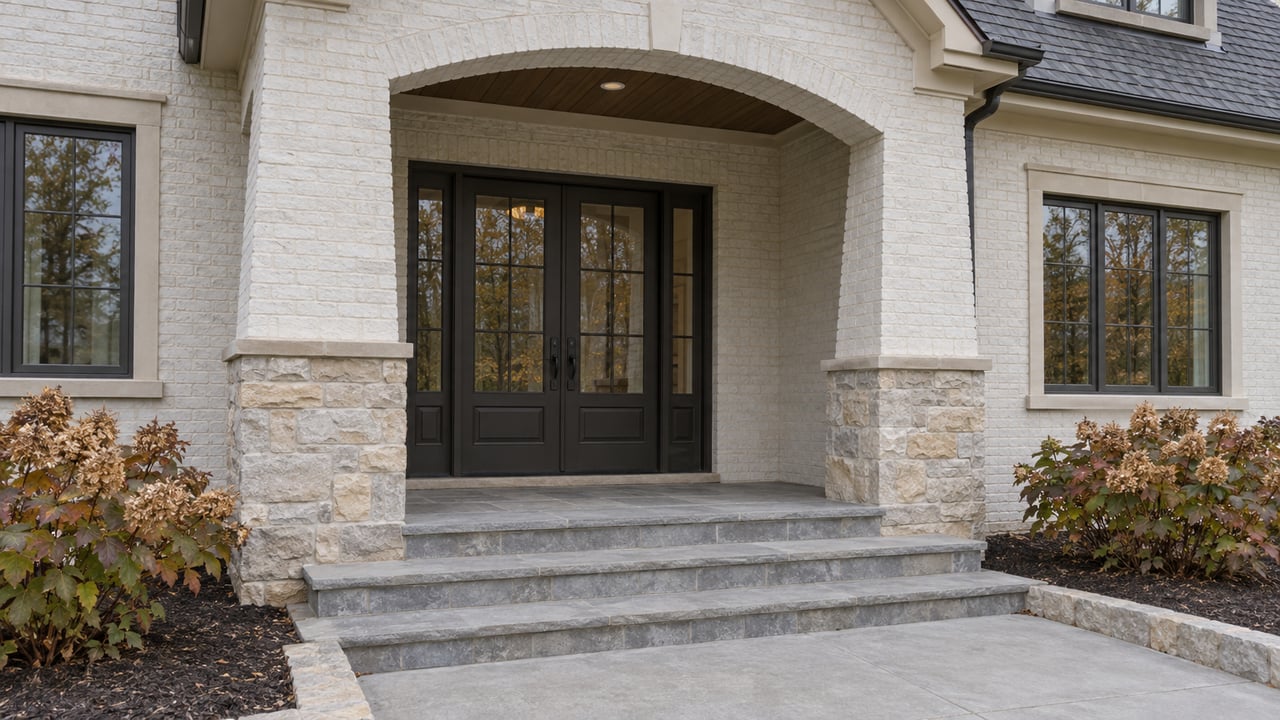
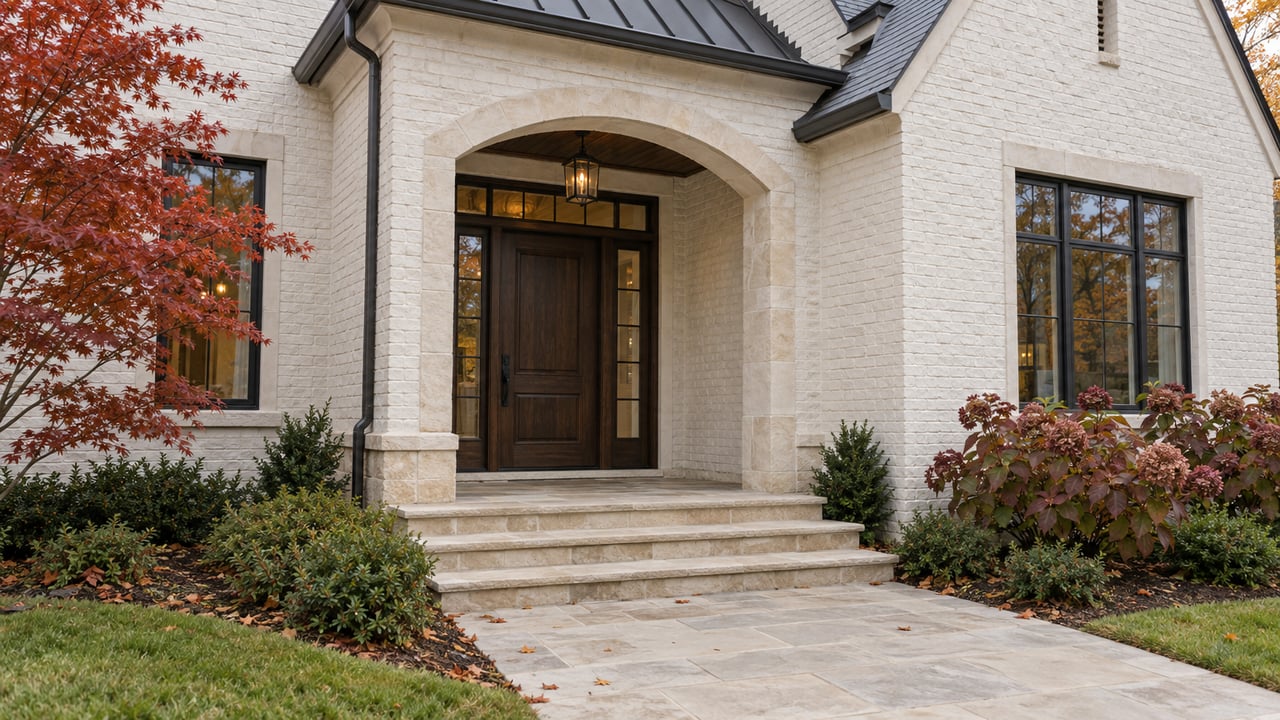
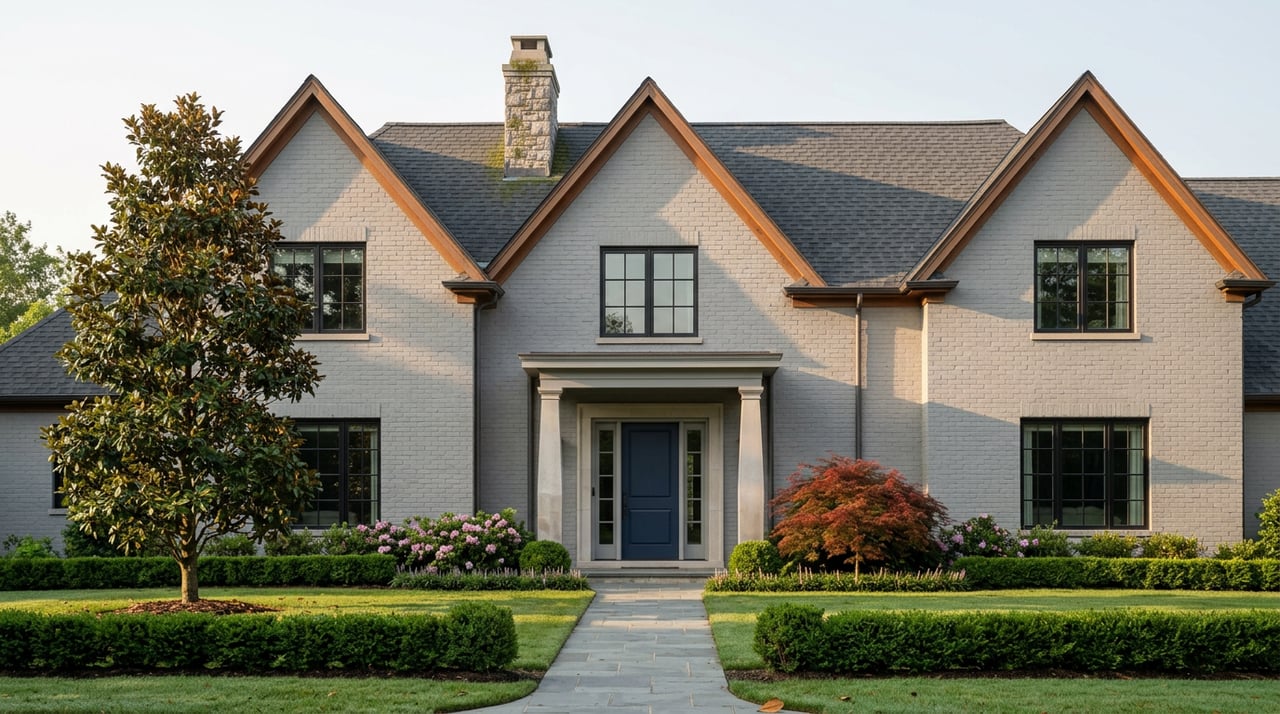
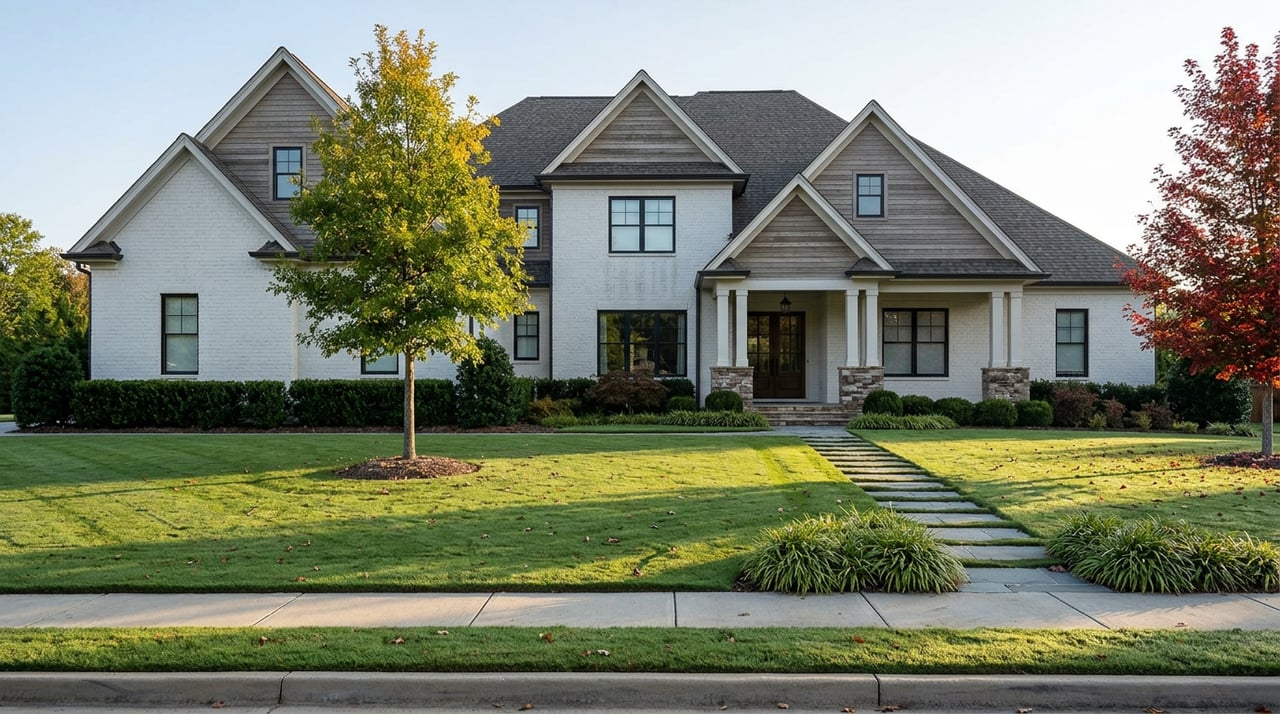
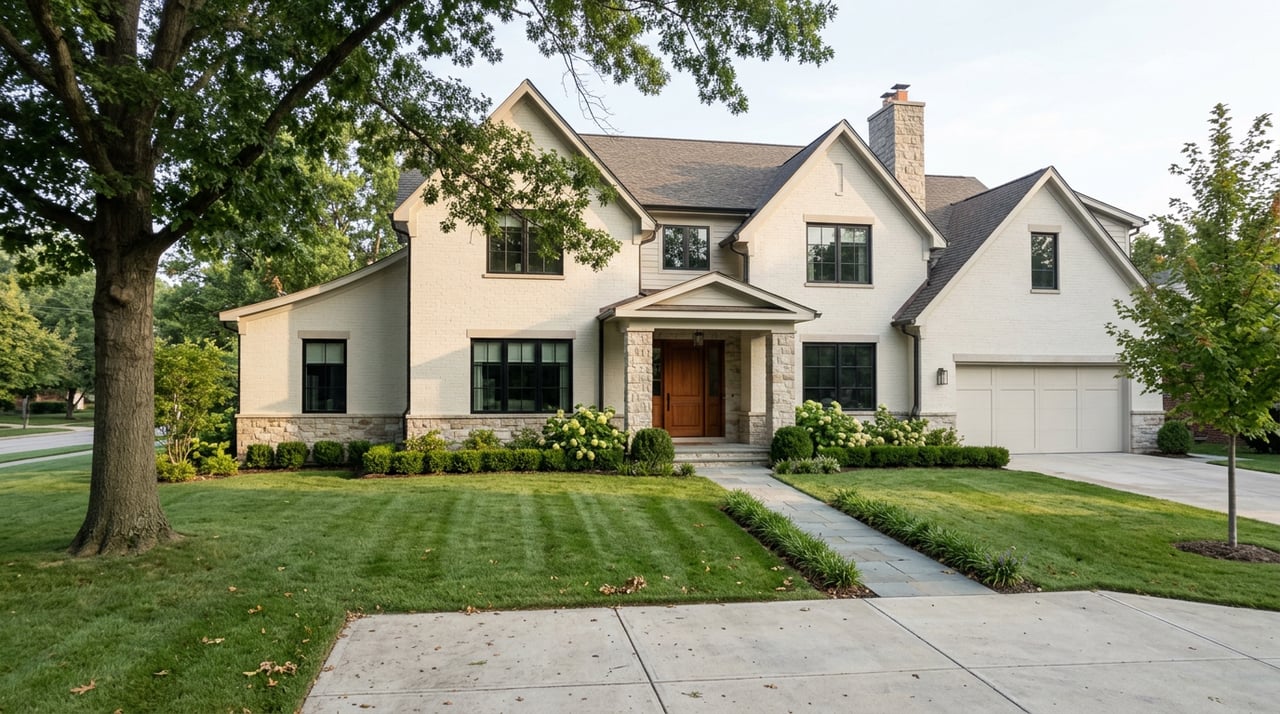
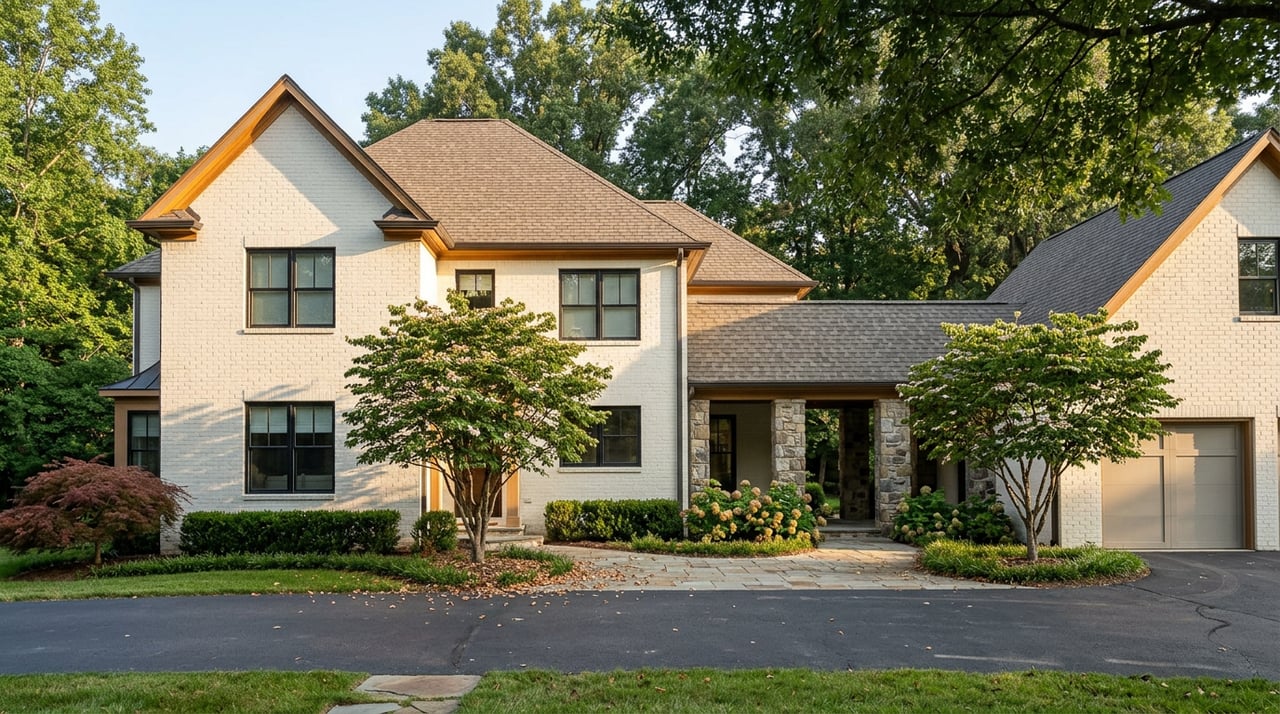
Architecturally, Milton reads as custom and varied. You’ll find:
Because many homes are custom or semi-custom, floor plans can be generous and thoughtful: chef’s kitchens, sculleries, primary suites on main, outdoor living rooms with fireplaces, and carriage-style garages are common at the high end.
Milton’s estate neighborhoods are a mix. Some communities are gated or have covenants, while many individual farms and large-lot properties have no HOA. Rules about fencing, barns, arenas, accessory dwellings, and setbacks vary by neighborhood and property type. For parcel-level guidance, Milton’s Community Development and zoning resources are your official contacts. If you plan to add a barn, arena, or guest house, start by reviewing Milton’s zoning page and then confirm details for your specific address.
If horses are part of your lifestyle, Milton makes it practical to keep them at home. The city recognizes and supports riders through its Equestrian Committee and resources for horse-related uses. That civic support translates to real-world norms and helpful information when you are planning facilities.
On listings, you’ll often see:
If you plan to build or expand horse facilities, review the city’s Riding Facilities Application to understand permitting steps, setbacks, and land management expectations. Getting clarity early helps you avoid design changes later and ensures you build within local standards.
When a property does not include a barn, you still have options. Private boarding and lesson barns in the broader North Fulton area can supplement your at-home setup, and many residents trailer out for clinics and events. A quick consult with a local expert can help you map options by distance from your preferred neighborhood.
Milton is served by Fulton County public schools, with private and charter options available nearby. School assignments and transportation times vary by address, so it is important to verify the current attendance zone for any home you consider. Milton’s municipal site maintains an overview of area schools and is a helpful first stop for families beginning their search.
Living on acreage means you’ll drive more often for daily needs. The tradeoff is space and privacy at home. Regionally, GA‑400 and main arterials such as GA‑9 and Old Milton Parkway connect Milton to employment centers and neighboring suburbs. Drive times to Avalon and Downtown Alpharetta often run 10 to 25 minutes depending on your location and traffic. If you commute, test your route from a few favorite neighborhoods during peak hours before you make an offer.
Milton is a high-value market by metro Atlanta standards. According to Zillow’s local snapshot, Milton’s average home value is about 917,700 dollars and the recent median sale price is approximately 899,700 dollars, with data through January 31, 2026. That offers a helpful anchor when you compare neighborhoods and home types.
For estates, prices span a wide range based on acreage, age, and improvements:
Condition, location within Milton, and current inventory all affect pricing. If you are targeting acreage with equestrian infrastructure, plan for extra due diligence around utilities, barns, and land management so you can calibrate offers with confidence.
Use this quick list to streamline your search and avoid surprises:
Before you write an offer, verify the essentials:
If you value space, privacy, and an easy connection to the outdoors, Milton’s estate neighborhoods deliver that in a way few metro areas can. You trade a bit more daily driving for room to breathe, mature trees, and a community that understands equestrian living. With careful due diligence and the right local guidance, you can zero in on the acreage, home style, and neighborhood comforts that match your goals.
Ready to explore the best of Milton’s estates or position your property for a premium sale? Connect with Julia & Associates to get a tailored plan, premium marketing, and concierge-level guidance from start to finish. Reach out to Julia Sosa-Rocha to start the conversation.
Stay up to date on the latest real estate trends.
If you are looking for top, proven, passionate agents that you can trust, who will aggressively represent you and your best interests only, who will give you attention & who are passionate about making sure you have an exceptional, positive experience in buying or selling your home, please call us today & we will be glad to help!