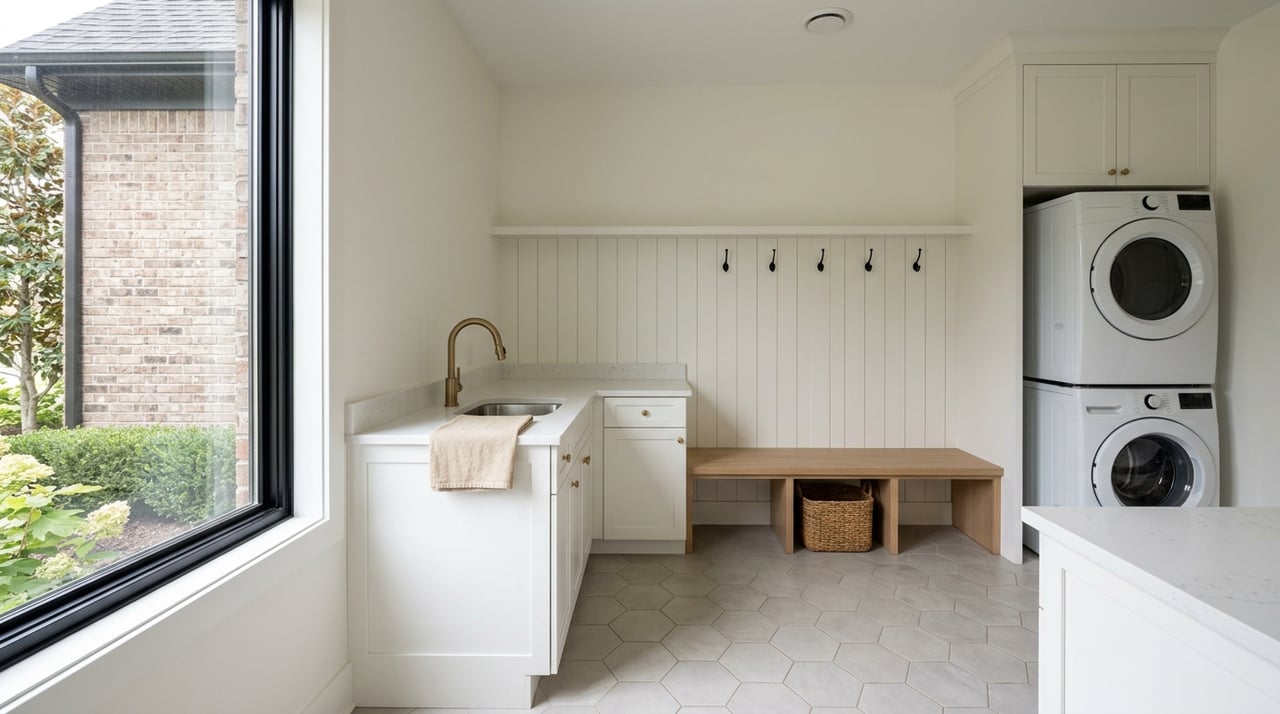
Roswell Real Estate Investing: What to Evaluate First
If you are thinking about investing in Roswell homes, it is easy to focus on the home itself and miss the bigger picture. In a market like Roswell, your results often depend just as much on location details, holding costs, and long-term planning as they do on the purchase price. This guide will help you evaluate the factors that matter most so you can make a smarter investment decision with more confidence. Let’s dive in.
Roswell stands out as a market with signs of household stability and long-term ownership. The city’s 2024 population estimate is 92,227, and 71.9% of housing units are owner occupied. The city also reports that 89.0% of residents lived in the same house one year earlier, which points to a more settled market than one driven by short-term turnover.
That stability matters if you are looking at a long-term rental strategy. Roswell’s median home value is $567,100, median gross rent is $1,810, and median monthly owner cost with a mortgage is $2,584. Those numbers suggest you should approach any purchase with careful math rather than assuming rent will cover every expense from day one.
Before you look at finishes or curb appeal, think about who is most likely to rent the property. In Roswell, renter demand is often tied to practical daily-life factors like commute access, connectivity, and nearby amenities. That can make some homes more resilient than others over time.
Roswell sits 18 miles north of Atlanta and serves as a link to SR 400. The city also notes that it sits at the convergence of five state routes and is served by three MARTA bus routes plus a park-and-ride. If a home has easier access to these corridors, that may support stronger tenant interest.
Broadband access is another factor that deserves attention. Roswell reports a 96.6% broadband subscription rate, which supports the needs of remote and hybrid workers. For many renters, reliable connectivity is no longer a perk. It is part of the baseline.
Many renters are not just choosing a house. They are choosing how the area fits their weekly routine. In Roswell, that can include proximity to Downtown Roswell’s historic district, Roswell River Landing, and outdoor spaces like Vickery Creek and Old Mill Park.
When you compare properties, ask yourself whether the location supports convenience and everyday enjoyment. A home near commute routes, parks, and established local destinations may have broader tenant appeal than one that feels less connected. That does not guarantee higher rent, but it can influence demand and retention.
School proximity can be part of tenant decision-making, but it is best to stay factual and location-based. Roswell High School reports a 93.7% graduation rate, and Roswell is in the northern part of the Fulton County Schools district. For investors, the practical takeaway is that some renters may pay close attention to assigned school zones when comparing homes.
If school-zone demand is part of your plan, verify zoning and avoid assumptions. Boundaries and buyer or renter preferences can shift over time. It is better to treat school assignment as one data point within a larger location review.
A home that looks good during a showing can still become an expensive rental if key systems are aging or maintenance has been deferred. In Roswell, your inspection mindset should go beyond cosmetic updates. Focus on the systems and site conditions that can affect your budget after closing.
For a single-family rental, pay close attention to the roof, HVAC, plumbing, exterior surfaces, and drainage. Routine wear can become more costly when a tenant is living in the home and repairs need to happen quickly. A cleaner inspection profile can make the first years of ownership much smoother.
Roswell’s Building Division enforces state building, mechanical, plumbing, and electrical codes and inspects residential structures that are built or remodeled. That makes permit history worth reviewing if the home has major additions or renovations. If work was done, you want to know whether it appears consistent with local requirements.
Roswell Code Enforcement handles rental housing complaints and common property-maintenance issues such as overgrown yards, debris, and junk vehicles. That gives you a clear signal about the city’s expectations for ongoing upkeep. As an investor, you should plan for consistent exterior maintenance, not just interior repairs.
This is especially important if you will manage the property from a distance or convert a former primary residence into a rental. Deferred yard care or visible exterior issues can create headaches quickly. Build a realistic maintenance reserve into your numbers before you buy.
Flood risk is one of the most important details to review before you move forward on any Roswell investment property. The city says about 10% of Roswell is in or near a 100-year floodplain. That means flood screening should be part of your standard due diligence, even if the home looks perfect in every other way.
A property near a flood-prone area may affect insurance, future improvements, and long-term operating costs. Roswell also advises owners to check drainage and permit requirements before altering a property. If you are considering upgrades, additions, or major landscaping changes, this step matters even more.
Use a practical screening process when evaluating any property:
A stronger investment decision usually comes from avoiding hidden risk, not just finding a good list price.
One of the most overlooked parts of a Roswell investment analysis is the tax change that can happen when a home stops being owner occupied. This is especially relevant if you plan to keep your current home as a rental after moving up. The numbers may look very different once the property becomes an investment.
Roswell says residents pay property taxes to the city, Fulton County, and Fulton County Schools. The city’s 2025 millage rate is 4.949 mills, while Fulton County’s general fund millage rate is 8.87 mills. Roswell also notes that city taxes make up roughly 16% of the total bill, with Fulton County Schools at about 55% and Fulton County at about 29%.
Fulton County states that homestead exemptions are for owner-occupied homes that continue under the same occupancy and ownership. In plain terms, if your former primary residence becomes a rental, you should model it as a true investment property. Do not rely on owner-occupant tax assumptions when deciding whether the property will work as a rental.
This step can materially change your projected returns. If you skip it, your cash-flow estimate may be too optimistic. A realistic tax projection gives you a better foundation for deciding whether to hold, sell, or reinvest elsewhere.
Roswell appears better suited to a patient, long-horizon investment approach than a quick cash-flow story. High owner occupancy, stable households, and a more established suburban profile can support long-term rental demand. At the same time, the gap between median gross rent and median monthly owner cost with a mortgage shows why disciplined underwriting matters.
That does not mean Roswell cannot be a solid investment market. It means the best opportunities are likely the ones where the school zone, commute corridor, flood exposure, tax treatment, and maintenance profile all line up. In other words, the property has to work on paper and in real life.
Before you buy, make sure you can answer these questions clearly:
If you can answer yes to most of these questions, you may be looking at a more durable investment candidate.
For many buyers and move-up owners, the right Roswell investment is less about finding a bargain and more about choosing a property with fewer surprises. When you evaluate tenant appeal, property condition, flood exposure, and tax treatment together, you put yourself in a much stronger position to make a sound decision. If you want local guidance on buying, selling, or evaluating a Roswell property in the context of your broader North Metro Atlanta goals, connect with Julia Sosa-Rocha.
Stay up to date on the latest real estate trends.
If you are looking for top, proven, passionate agents that you can trust, who will aggressively represent you and your best interests only, who will give you attention & who are passionate about making sure you have an exceptional, positive experience in buying or selling your home, please call us today & we will be glad to help!